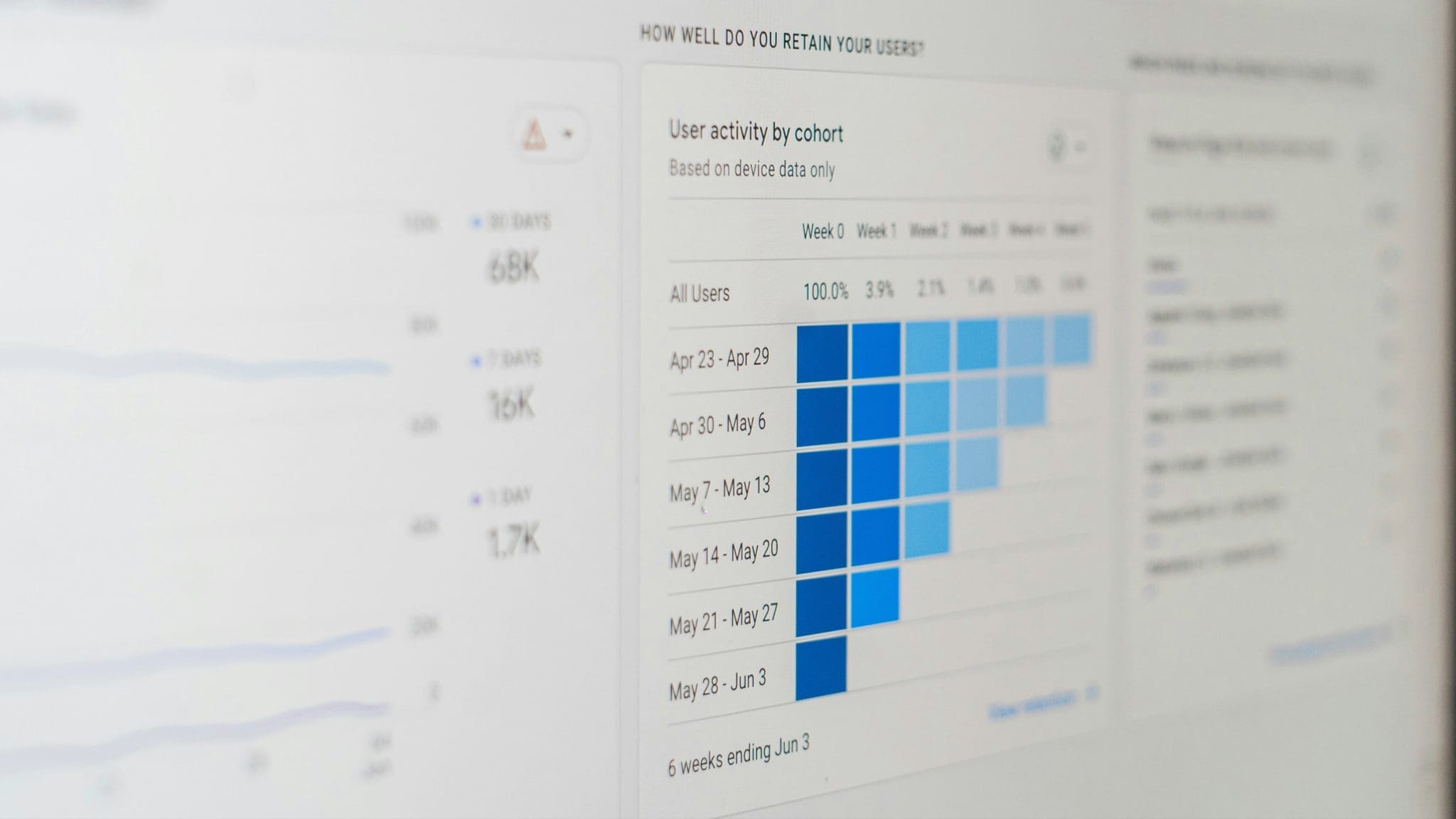
Data has become the backbone of a genuinely successful SEO strategy. Taking advantage of data-driven insights can transform your SEO, bringing sharper visibility, more traffic, and real brand growth along with it.
SEO can feel confusing and a little daunting when you’re just starting out, and that’s something we understand well at OMDIGI. Here’s how analysing SEO data can uncover patterns, trends, and user behaviour, giving you the insight to make decisions that genuinely resonate with your target audience.
Leveraging data to inform content strategy
How data can boost your content strategy
Data plays a real role in building a successful content marketing strategy. Analysing your content performance data gives you a clear read on how your audience is actually responding, showing you what’s working and what needs improvement so you can shape content that genuinely resonates.
It sometimes takes a few cycles of content before you land on what truly clicks with your audience, and that’s a normal part of the process.
Data also gives you an edge over competitors. Leaning on it helps establish your brand as informed and credible, and audiences tend to perceive that kind of content as more trustworthy, a real advantage when trust is one of the biggest factors shaping a potential customer’s decision.
Using data in your content strategy
The first step in building a data-informed content strategy is getting clear on your goals and the metrics that track them. Knowing exactly what you want to achieve, and how you’ll measure progress toward it, is what makes content genuinely effective.
Align your metrics with your goals: aiming for awareness might mean focusing on impressions, reach, and social shares, for instance. That data then guides decisions about what content to create, where to post it, and how to promote it.
Keeping an eye on competitors is another way to put data-driven insight to work, since it can reveal gaps in their content you’re well positioned to fill.
Measuring and optimising for conversions
Once your audience is segmented, A/B testing or multivariate testing can help optimise your website and improve your conversion rate. Comparing different versions of your content, headlines, images, copy, and layout included, shows you what actually performs best.
Testing also reveals which pages are pulling in the most visitors, helping with conversion funnel optimisation more broadly. Optimising content this way tends to pay off across the board: greater relevance, higher conversion rates, and better ROI.
Analysing and optimising for user intent
User intent is the goal or purpose behind a search query. Understanding and matching it is a core part of SEO strategy, since it shapes how relevant and engaging your content feels, improves user experience, and lifts search rankings in the process.
Plenty of tools and methods can help you optimise for user intent, keyword gap research, competitor analysis, and SERP analysis among them.
Leveraging data to optimise technical SEO
Using data to sharpen technical SEO means leaning on key metrics and insights to boost a website’s search performance. Comprehensive SEO audits and data analysis tools can flag technical issues like broken links, duplicate content, and slow page load times before they cause real damage.
Digging into these data points lets SEO professionals prioritise fixes based on genuine user experience analysis, while staying aligned with how search engine algorithms actually work.
Data-driven keyword research matters just as much for fine-tuning on-page elements like meta tags, headings, and overall content optimisation. With the right analytics tools and search trend data, SEO specialists can pinpoint high-potential keywords, build content around them, and track performance over time.
Data can also surface user behaviour patterns, which helps shape content that genuinely aligns with what your audience actually wants, driving stronger engagement and better rankings. Businesses that consistently monitor their data and pull actionable insight from it tend to see sustained gains in technical SEO, organic traffic, and overall visibility.
Demonstrating ROI through data-driven reporting
Choosing the right Key Performance Indicators (KPIs) makes it far easier to evaluate how well your campaigns are actually performing. Which KPIs matter depends entirely on your objectives. Aiming to boost brand awareness might mean tracking website traffic, social reach, or email subscribers, while lead generation goals point more toward submissions, downloads, or sign-ups.
Once you’ve settled on the KPIs worth reporting on, it’s time to collect and analyse the data behind them. Plenty of tools can help here, Google Analytics and HubSpot among the most common. Comparing your results against benchmarks, industry averages, competitors, or your own past performance, gives you a clearer sense of where your strengths and weaknesses actually lie.
When it’s time to communicate results, keep things clear and concise. Reports, custom dashboards, infographics, and videos are all common ways to present your findings, and whichever format you choose, weaving in real stories and testimonials helps drive home the value you’ve actually delivered for your audience.
Ready to discover the benefits of a data-driven SEO strategy for your business? Get in contact with us at hello@omdigigroup.com to find out how we can help.