Artificial intelligence is changing how search engines understand and rank content. As algorithms become more advanced and context-aware, traditional SEO tactics alone are no longer enough to drive visibility and performance.
In this blog, we look at the future of AI and SEO and what you can do to stay ahead.
The Role of AI in Search Engine Rankings
As AI becomes part of search engine algorithms, it plays a growing role in how content is discovered, understood and ranked. That’s pushing SEO towards more dynamic, intent-focused strategies that go beyond keywords.
How AI-Driven SEO Improves Search Performance
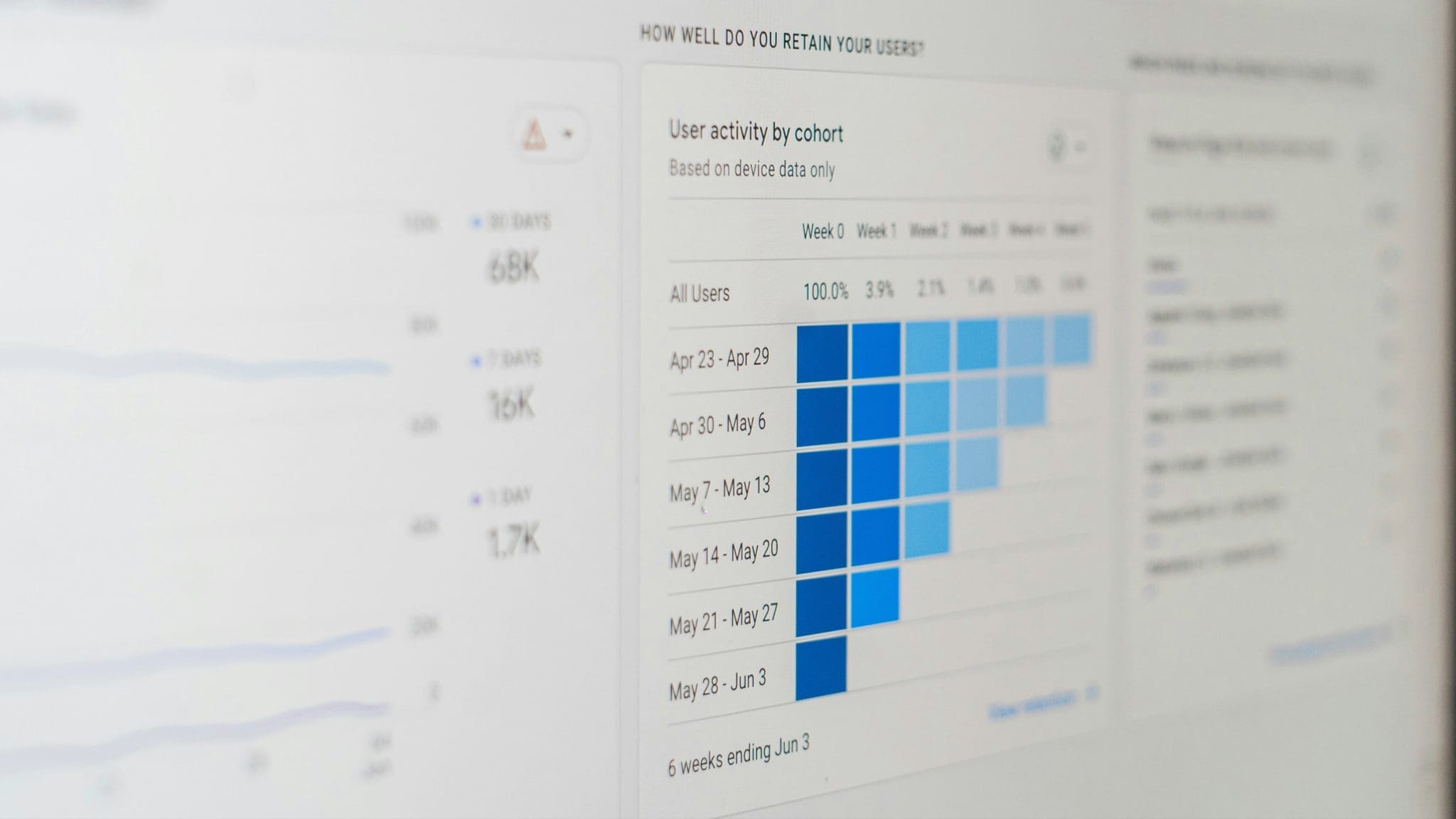
AI-powered SEO tools can automate time-consuming tasks, suggest optimisations and track your performance accurately. Tools such as SEMRush and Ahrefs offer a wide range of AI-powered SEO features. Google Analytics 4 (GA4) also uses AI tools such as ChatGPT and Gemini to provide automated insights.
These tools give brands actionable insights, so they can streamline their processes and improve performance in ways traditional methods alone can’t match.
Google AI Search vs. Traditional Ranking Methods
If you’ve ever searched on Google and seen an AI overview at the top of the results, you’ve seen Google’s AI search in action. AI overviews usually appear above organic listings and sometimes above ads.
They combine information from multiple sources into one comprehensive answer, so users don’t need to visit several sites. AI overviews show up across all categories of search intent, but they’re most likely to appear for informational searches.
Unsurprisingly, AI overviews have had a big influence on user behaviour and SEO. Zero-click queries are on the rise, where users find answers without visiting any website. Research by Ahrefs found that an AI overview in the search results correlated with a 34.5% lower average clickthrough rate (CTR) for the top-ranking page, compared with similar informational keywords without one.
According to SEMRush, there aren’t yet any specific SEO optimisations recommended for AI overviews. Brands should keep following SEO best practice, including:
- Ensuring pages are indexable and crawlable
- Creating high-quality, accurate content that provides value to their audience
- Targeting long-tail keywords
- Prioritising the user experience
- Using on-page SEO techniques such as title tags and meta descriptions
- Working on linkbuilding and technical SEO tasks
How AI-Powered Search Engines Are Changing SEO
AI-powered search engines are changing how users interact with content, with more emphasis on relevance, context and user intent. To see how we got here, let’s look at how AI has developed within search engine technology over time.
The Rise of Artificial Intelligence in Search Engines
Google’s history with AI goes back to 2001, when it began using machine learning for spell check at scale in Search. A few years later, in 2006, it introduced Google Translate, which also used machine learning.
Fast forward to March 2025, when Google released its most intelligent AI model to date, Gemini 2.5. According to Google, Gemini 2.5 is designed to tackle increasingly complex problems, with enhanced reasoning and advanced coding abilities.
This history shows how large a role AI now plays in how search engines find, interpret and rank content online.
Microsoft Copilot and Its Impact on Search Rankings
In 2023, Microsoft introduced its AI chatbot, Bing Chat, and later that year rebranded it as Copilot. At release, Microsoft said Copilot was faster, more accurate and more capable than the large language models (LLMs) behind ChatGPT at the time.
Copilot runs on Microsoft’s Prometheus AI model, which combines generative AI tools from OpenAI with several Microsoft technologies. These include a large web-scraping database from Bing for real-time information, advanced Natural Language Processing (NLP) for understanding complex input, and Text-to-Speech (TTS) for spoken responses.
Like ChatGPT, Copilot lets users search for specific information and generate text and images from prompts. Its big differentiator is its integration with Microsoft’s ecosystem, including Word, OneNote, Excel, PowerPoint and Outlook.
Here are a few ways to improve your chances of appearing in Microsoft Copilot search results:
Build your Domain Authority – Domain Authority is a measure of a website’s credibility and influence. The scale runs from 1-100, and higher is better. Microsoft Copilot treats Domain Authority as one of its top ranking factors, so it’s worth investing time in. One of the most effective ways to raise it is to publish unique, valuable content for your audience consistently.
Focus on your content relevance – As well as posting consistently, update your content regularly so it stays relevant. Copilot also prioritises relevant content, so keeping yours fresh improves the chances of Copilot indexing and ranking your pages.
Optimise for voice search – Microsoft Copilot has a voice search mode that gives users more natural, conversational responses based on cues it picks up in their voice. Optimising your website and content for voice search can improve your chances of being indexed on Copilot and other AI assistants. To do that, target long-tail keywords, include an FAQ section with concise answers and target keywords, and make sure your site works well on mobile.
Looking to boost your SEO performance in the world of AI? We’re here to help! Send us an email at hello@omdigigroup.com and let’s explore what we can do for you.