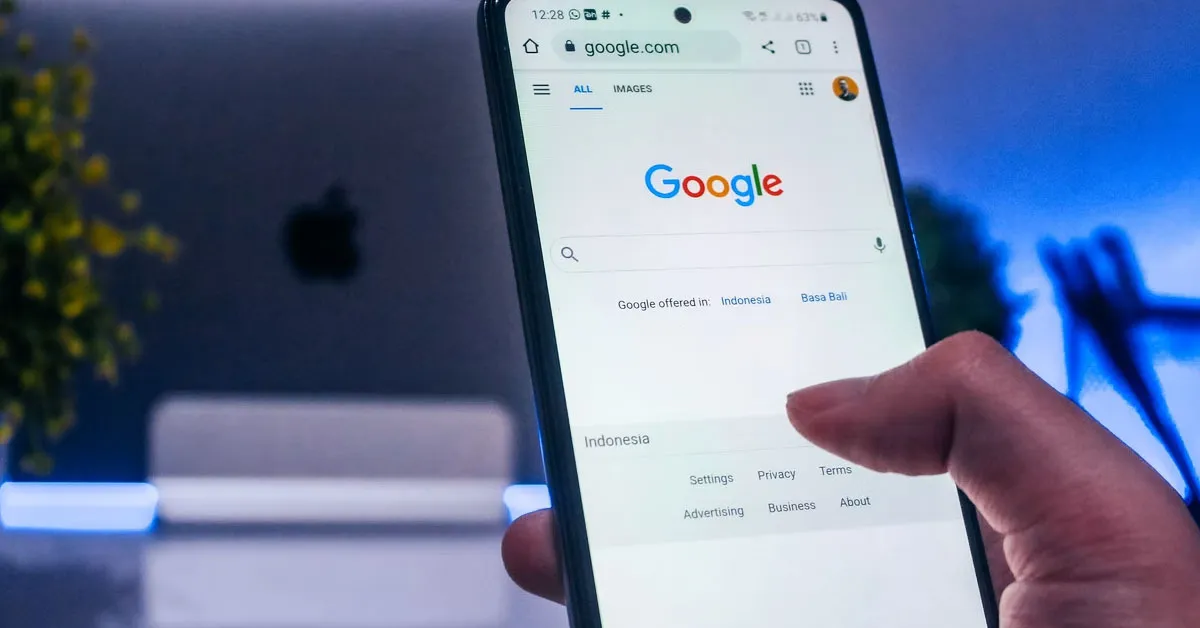
Google Ads is Google’s advertising system. It lets businesses advertise their products and services by bidding on keywords, so their ads appear in Google’s search results.
Understanding how bidding works is essential if you want to get real value out of your paid advertising strategy. Get it wrong, and you can end up spending a lot of money for very little in return. Here are the bidding basics worth knowing.
What is bidding?
On Google Ads, bidding is how an advertiser secures clickable ad space, getting their ad to show up in Google’s search results. Advertisers bid on how much they’re willing to pay each time someone clicks their ad, known as pay-per-click (PPC) advertising.
What are keywords?
Keywords are the words and phrases someone types into a search engine. Advertisers bid on these keywords hoping their ad appears when a user searches for them. If you own a restaurant in Sydney, for example, you might bid on “restaurants in Sydney.”
How does bidding work?
Google runs its ad auction billions of times a month to serve users ads that are actually relevant to them. Your position in that auction is your ad rank, calculated by multiplying your maximum bid by your ad quality score. Your actual cost per click gets determined by dividing the rank of the ad directly below yours by your own quality score.
What is an ad quality score?
Your ad quality score is Google’s way of judging how relevant your ad is to the person searching. It’s shaped mainly by your ad’s keyword relevance, your CTR, and the quality of your landing page. The higher your score, the more you save and the better your ad ranks.
Adjusting your bids
Google Ads lets you adjust bids as often as you like to match your current goals. You can do this through one of two approaches, manual or automatic.
An automated bidding strategy lets Google adjust your bids based on past performance, your budget, and whichever strategy you’ve chosen. You can pick from a range of options here, maximising clicks, conversions, or conversion value among them. Automated strategies are a solid starting point if you’re new to paid advertising.
A manual bidding strategy opens up more opportunity for results. It lets you set your own bid amounts, giving you more control and often helping cut spend.
Bidding on Branded Search Terms
Branded search terms include your own business name or the name of your products. Deciding whether it’s worth bidding on them isn’t always straightforward.
On one hand, it can feel unnecessary. If your organic ranking for those keywords is already strong, bidding on top of that may just be wasted spend.
On the other hand, bidding on your own branded terms keeps you in control. Skip it, and a competitor might bid on your name instead, taking up space that should be yours and showing up when someone searches for your business specifically.
All in all, it’s up to you
Google Ads bidding really comes down to analysing and adjusting based on past performance and what your business actually needs right now. Regular check-ins on how your keywords are performing are what keep you on track toward the results you’re after.
At OMDIGI, we have deep experience in Google Ads bidding. Reach out to our team today to find out more.