Return on Investment (ROI) is a common way to measure how profitable your email marketing campaign actually is. Email marketing has real potential to deliver an impressive ROI, but that only happens when it’s paired with a well-planned strategy behind it.
From crafting effective CTAs to upselling and cross-selling your subscribers, here’s how to put email marketing to work boosting your ROI.
Email Marketing in the Sales Funnel: Nurturing Leads and Closing Deals
Email marketing plays a genuine role in the sales funnel, helping your business build and maintain relationships with its audience, nurture leads, and ultimately turn them into paying customers.
At the awareness stage, email marketing is about introducing your brand to a wider audience. The focus here sits on building brand awareness and growing your subscriber list, rather than pushing direct sales too early.
During interest and consideration, the goal shifts to engaging subscribers and nurturing their interest through content that actually informs them about what you offer. Product announcements, case studies, and testimonials all work well here.
Once a customer reaches the decision stage, it’s time to focus on sales and speaking directly to their needs. Targeted product recommendations, limited-time offers, and customer reviews can all help nudge subscribers toward making a purchase.
After they’ve decided to buy, your emails can guide them through the process itself. Abandoned cart reminders, purchase confirmations, and shipping updates are all genuinely useful at this stage.
Email marketing doesn’t stop once a purchase is made, either. It plays an important role in retention, turning one-off buyers into repeat customers. Thank-you emails, post-purchase surveys, product usage tips, and loyalty rewards all help keep customers engaged with your brand long after checkout.
How can I create effective CTAs and drive conversions?
A catchy subject line can be the difference between someone opening your email or letting it sit unread in their inbox. Keep subject lines short, and lean on urgency or a clear offer to get people to actually take action.
Addressing the recipient by name adds a layer of personalisation too, and it genuinely boosts the chances of your email getting read.
When it comes to your call-to-action (CTA), keep the button text large and legible enough to grab attention without going overboard. Writing in the first person also tends to increase click-through rates, so it’s worth testing.
Phrases that drive immediate action, “Limited Time Offer” or “Act Now,” for instance, tend to perform well here too.
Once your CTA is crafted, think carefully about where it sits in the email. It needs to be easily noticeable without overwhelming the rest of the message, and it should lead to a relevant, optimised landing page so the transition from email to conversion feels seamless.
Your CTAs don’t have to stay fixed forever, either. Regularly analysing the performance of your CTAs helps you spot which ones are resonating and which need a refresh.
Tips for Upselling and Cross-Selling to Your Subscribers
Effective upselling and cross-selling starts with understanding your subscribers’ preferences and behaviours well enough to tailor offers through segmentation and personalisation. Personalisation can, for example, surface product recommendations tied directly to a customer’s past purchases.
Highlighting products your audience is already interested in raises the odds of another purchase.
Exclusive deals and discounts reserved for your email list make customers feel genuinely valued and give them extra reason to buy again. Bundling similar items with a discount is another reliable way to push higher-value purchases.
Once a purchase is made, following up with relevant upsell or cross-sell suggestions based on that purchase shows customers you understand their needs, while boosting revenue at the same time.
Building Loyalty and Encouraging Repeat Purchases
Staying in regular contact through an automated email campaign keeps your brand top of mind for when customers are ready to buy again. A simple thank-you email after a purchase goes a long way toward showing appreciation.
Those emails also double as a natural opening to request reviews or recommend other products. Birthday messages are another easy way to personalise the experience and show customers they’re valued, and pairing them with a discount or promotion makes another order that much more likely.
Abandoned cart emails are a proven way to remind customers they didn’t finish checking out and nudge them toward completing the purchase. They’re also a genuine opportunity to re-engage and show customers you’re committed to their satisfaction.
Personalising these emails lets you tailor them to individual preferences, offering targeted discounts that actually catch attention rather than getting ignored.
Measuring Your ROI
Calculating ROI is fairly straightforward: you just need two numbers, your email campaign expenses and your revenue. Subtract expenses from revenue to get your profit, then divide that by your expenses.
You can also divide total revenue by the number of emails sent to find your revenue per email. The basic formula gives you a solid starting calculation, but it’s worth factoring in other elements that shape overall success too, customer lifetime value, brand awareness, and engagement among them.
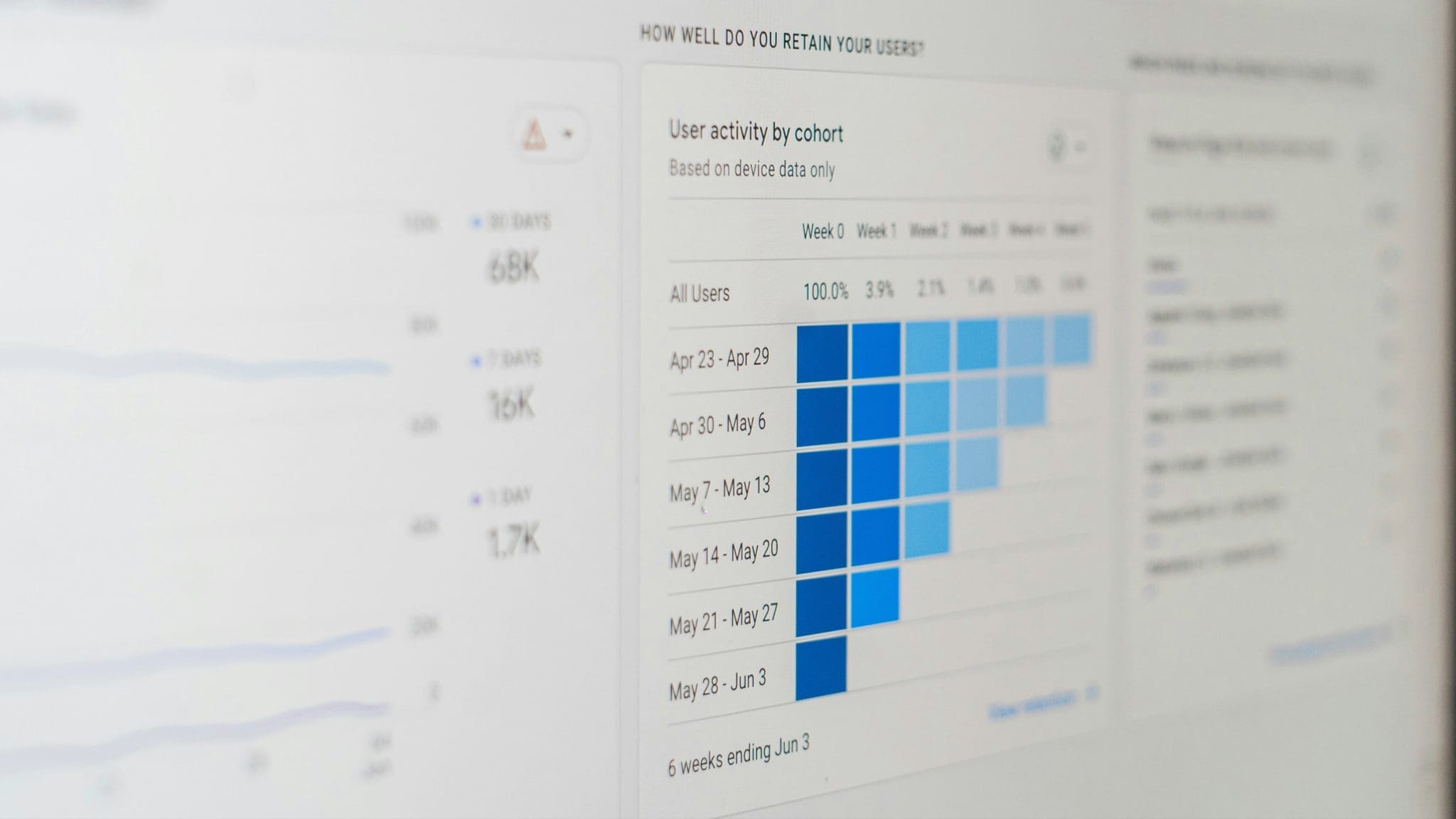
Most email platforms make this easier by offering clear, built-in metrics and analytics, so you don’t have to run every calculation yourself to gauge how a campaign’s performing.
Ready to discover how you can use email marketing to boost your ROI? Get in contact with us at hello@omdigigroup.com to find out how we can help you create campaigns that convert.