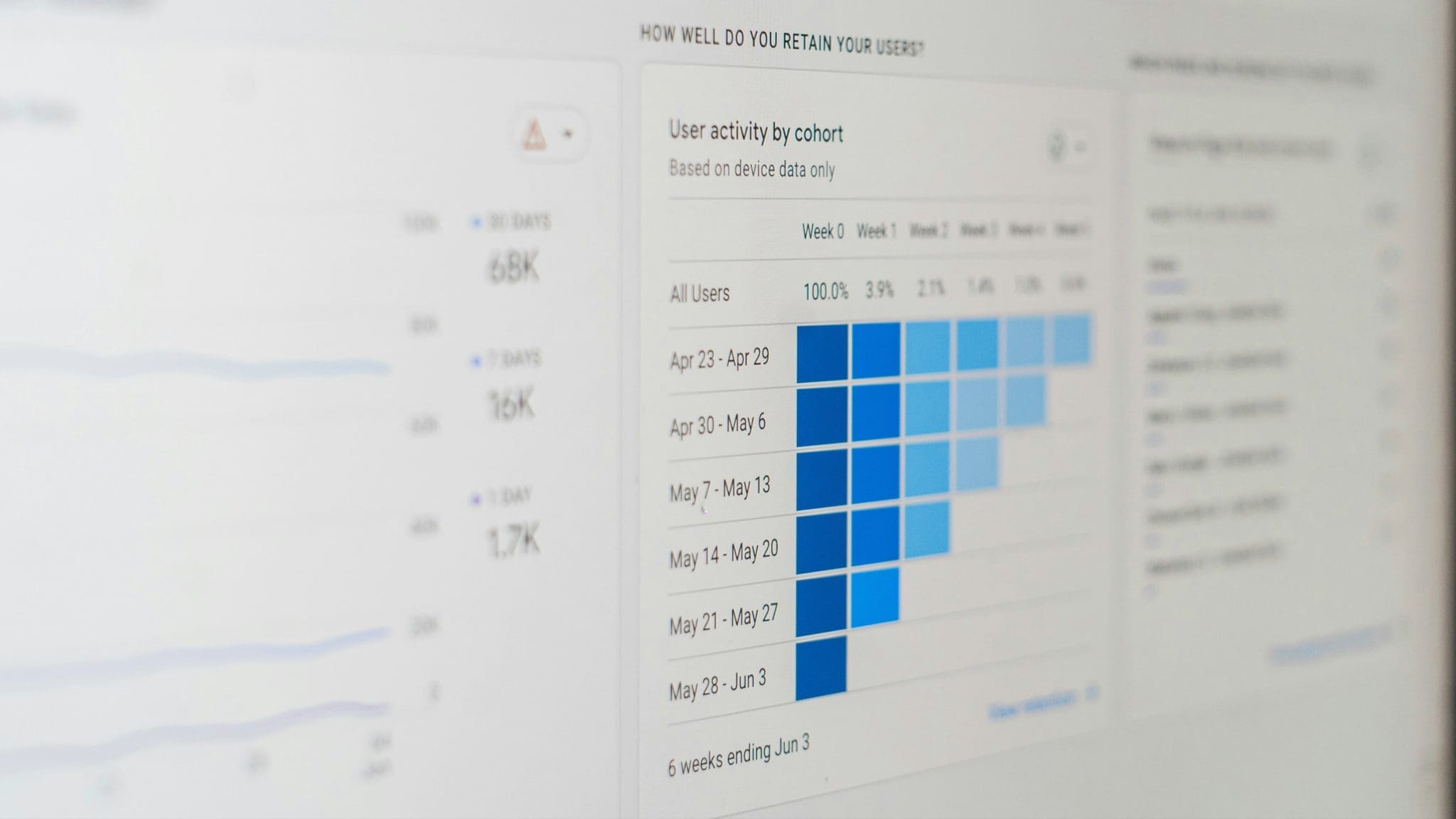
Email marketing remains one of the most powerful ways to engage your audience, but simply sending out emails isn’t enough on its own anymore. To make a real impact and actually hit your marketing goals, your campaigns need to be backed by email analytics. Here’s how to get started with email campaign optimisation and get more engagement from your subscribers.
How to Use Data to Create Personalised Email Campaigns
Once you’ve collected your data, you can use it to build buyer personas, fictional representations of your ideal customer that help you understand their needs, pain points, motivations, and expectations. Surveys, interviews, focus groups, or tools like HubSpot can all help you build these out.
With buyer personas in hand, you can map the customer journey from first contact with your brand all the way through to purchase and beyond. That mapping shows you the best moments and channels for sending personalised email campaigns that actually match what your customers need.
Once you understand your customers’ needs and journey, you’re in a much better position to put together relevant, engaging email content.
Segmentation is another powerful tool here. It means splitting your subscribers into smaller groups based on their characteristics, preferences, and behaviour, then tailoring campaigns to fit each group. That kind of specificity makes people far more likely to actually engage with what you send.
Crafting Subject Lines That Get Your Emails Opened
A successful subject line grabs attention and gets your email opened in the first place. Personalisation is one of the most effective ways to do that, using merge tags to include the recipient’s name or location.
Personalised subject lines lift open rates, especially when paired with targeted automation like birthday deals or post-purchase follow-ups.
A good subject line stays short and to the point while still communicating the benefit you’re offering. Aim for under 9 words and 60 characters. Go easy on the punctuation too, overdoing it can make an email look like spam.
A sense of urgency in your subject line can boost engagement too, since a lot of people prioritise their inbox by time sensitivity. Just don’t lean on urgency too often, it can start to annoy subscribers and push them toward ignoring your emails or unsubscribing altogether.
A/B Testing Your Emails:
How to Optimise Content and Design for Higher CTR
A/B testing means comparing engagement between two slightly different versions of the same email. Once you’ve built your marketing email, create a second version with a single element changed, so you can measure exactly how that change affects clicks or opens.
Before you start testing, pick one independent variable to focus on, the subject line, sender’s name, email copy, images, CTA buttons, or overall design. Test one element at a time so you can isolate exactly what’s driving the change.
There are plenty of ways to put A/B testing to use. You might test different product images to see which ones actually capture your audience’s attention. While tests are running, it’s also worth gathering feedback directly from subscribers, through a survey or poll, for example.
That feedback helps you understand why people took the actions they did, giving you something concrete to work with when refining future emails.
When to Send Emails for Maximum Engagement
Beyond content, timing matters just as much. Sending between 9 a.m. and 12 p.m., or 12 p.m. and 3 p.m., tends to maximise engagement. If your email includes a sale or promotion, timing it around lunch breaks can also increase the odds it actually gets read.
Weekends generally see much lower open rates, since people simply aren’t checking email as often as they do on weekdays. That’s why most marketers steer clear of weekend sends. Tuesday, Wednesday, and Thursday tend to be the strongest days overall for email campaigns.
How to Use Email List Cleaning to Boost Deliverability and Engagement
Paired with a solid email marketing strategy, list cleaning keeps engagement high and unsubscribe and spam rates low. It can also lower costs, since a lot of Email Service Providers (ESPs) price based on how many emails you send.
Cleaning your list once a year is a reasonable rule of thumb, though the right cadence depends on your company and list size. To judge whether it’s time, look at your open rate, click-through rate, unsubscribes, and spam rates. A high bounce rate is usually a clear signal that a clean-up is overdue.
The first step is identifying disengaged subscribers. Some are just disengaged, others are genuinely inactive. A truly inactive subscriber will likely need to be removed, but a disengaged one might still be worth winning back through targeted marketing, a personalised subject line, a discount code, or another re-engagement tactic.
If you’re ready to experience the benefits of email campaign optimisation, get in touch with us at hello@omdigigroup.com to find out how we can help.