An effective SEO strategy can boost your organic search traffic, build brand awareness, and generate cost-effective leads, and that’s just a handful of the benefits data analytics and SEO can deliver together. Figuring out where to start, though, can be a genuine challenge.
So let’s get into data analytics and how you can put it to work for your SEO.
What is data analytics and why is it important in SEO?
Data analytics means collecting and analysing your data to build a clearer picture of how your website’s organic performance is actually tracking. Tools like
Google Analytics and
Google Search Console are great starting points for collecting that data. Using more advanced analytics techniques is what gives you the edge and helps your business stand out from competitors.
Types of data analytics
Descriptive Analytics
Descriptive analytics looks back at past data to understand what’s happened over a given period. It’s useful for surfacing insights into past marketing performance and giving context to what’s happening right now.
Diagnostic Analytics
Diagnostic analytics digs into why something happened. If your sales dropped last month, for instance, diagnostic analysis helps you trace that back to specific marketing efforts.
Predictive Analytics
Predictive analytics uses past data to forecast what might happen next. This usually involves large volumes of data and a machine learning algorithm working through it to make predictions.
Prescriptive Analytics
Prescriptive analytics goes a step further, suggesting an actual course of action to improve performance. It draws on everything gathered through descriptive, diagnostic, and predictive analytics to answer the real question: what do we do next?
What is SEO?
SEO (Search Engine Optimisation) is the process of growing a website’s organic search traffic. SEO strategies aim to help a website rank higher in search results, since ranking higher generally means more traffic, most people click one of the first few results they see.
Because the number of monthly searches tends to stay fairly consistent, search traffic tends to stay consistent too. That makes SEO a cost-effective way to drive more traffic to your site and get your business noticed.
How is data analytics used in SEO?
Keyword research
Keyword research is one of the most important SEO metrics there is. It means finding and analysing the search terms people actually type into search engines, conducted with a specific purpose in mind, like SEO.
It helps you identify which queries to target, how popular they are, how hard they’ll be to rank for, and more. Competitor research adds another layer, helping you spot high-ROI or high-volume keywords your competitors haven’t picked up on yet.
Elements of Keyword Research
Keyword research comes down to three main elements:
Relevance
Google ranks for relevance, meaning your content only ranks for a keyword if it genuinely meets the searcher’s needs. This is where search intent comes in. Organic rankings are heavily shaped by user behaviour data, which makes understanding that behaviour key to improving your rankings and understanding your customers.
Competition
Keyword competition refers to how many websites are fighting to rank for the same keyword. That competition level depends on factors like how many sites are targeting it, their authority, relevance, and optimisation. The higher the competition, the harder it is to land a top ranking.
Search Volume
Volume refers to the average number of times a keyword gets searched each month. Since it counts searches rather than unique searchers, it includes people who searched for the same term multiple times.
Keyword tools usually show volume for a specific country, though some also offer global volume, the sum across every country combined.
Measuring the Effectiveness of SEO with Data Analytics
Data analytics plays a big role in measuring how well SEO is actually working, giving you the insight to quantify the impact of different strategies and optimisations. Here’s how that plays out in practice.
Organic Traffic Analysis
Tools like Google Analytics let you track and analyse how much organic traffic your site pulls in from search engines. Monitoring that traffic over time helps you spot trends, patterns, and shifts that can be traced back to your SEO efforts.
Conversion Tracking and Optimisation
Data analytics also lets you measure conversions, form submissions, sales, or any other action you care about, that originate from organic search traffic. Setting up conversion tracking pays off in a big way, improving your ROI and sharpening your campaigns.
Once you’ve got a solid read on your conversions, you can move into Conversion Rate Optimisation (CRO).
Landing pages are central to CRO, since that’s where a visitor becomes a lead, or an existing lead engages more deeply with your brand. A/B testing your landing pages helps you find exactly what content your audience responds to best.
On-Page Metrics
Analytics tools also surface on-page metrics like bounce rate, time on page, and page views per visit. Analysing these for your organic traffic helps you gauge the quality of what SEO is bringing in and spot where user experience or content needs work.
Page speed is worth watching too. Google prioritises speed in its rankings, so a faster page can genuinely help you rank higher, and it also keeps frustrated customers from bouncing to a competitor over slow load times.
Backlink Analysis
Data analytics is just as useful for measuring the impact of
backlinks acquired through SEO strategies. Tools like Ahrefs give you insight into the number and quality of your backlinks, referring domains, and anchor text distribution. Tracking these metrics over time lets you evaluate exactly how well your link-building efforts are paying off.
Leveraging data analytics for ongoing optimisation
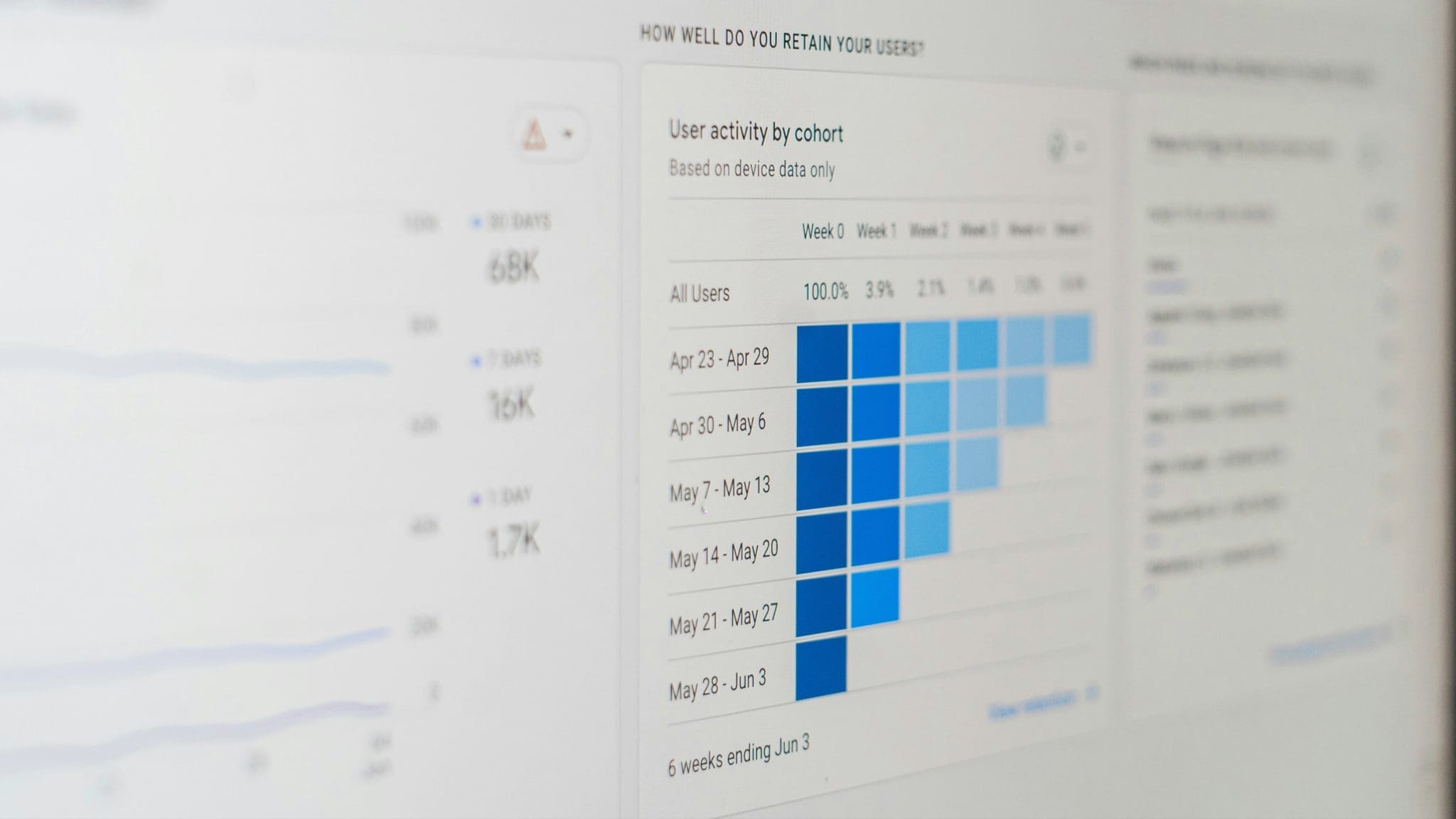
Once you’ve collected and analysed your data, data visualisation helps you present your findings clearly, through reports, charts, or dashboards, whatever fits best. Then comes the fun part: putting those findings to work and monitoring the results. Feedback loops, control charts, and performance reviews are all solid ways to track the impact of what you’ve implemented.
Need a hand achieving business growth with data analytics?
Contact us for a free consultation to discuss your specific SEO needs.