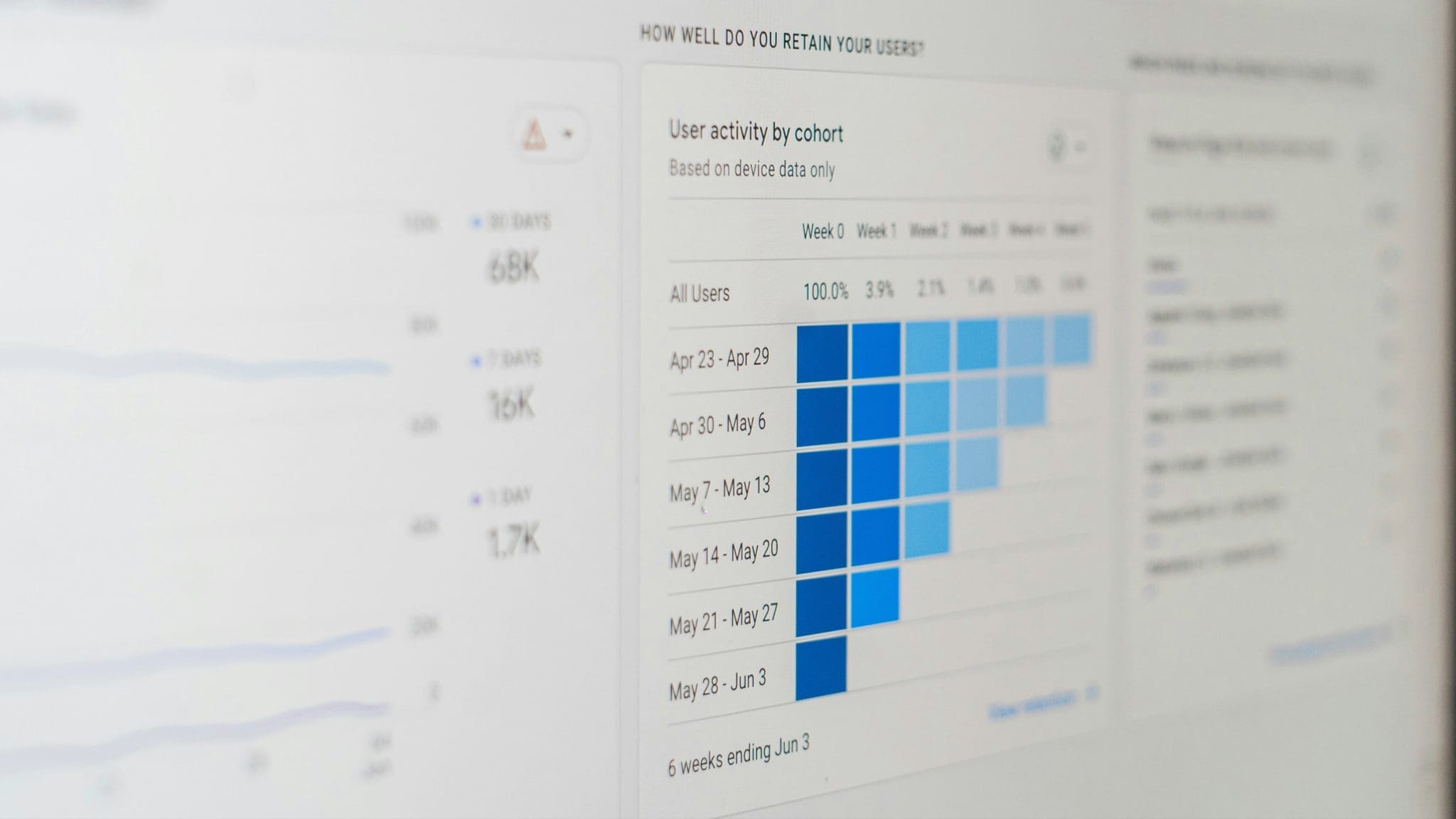
Data analytics in SEO isn’t just about numbers, it’s about deciphering user behaviour, understanding search intent, and creating content that genuinely resonates with your audience. Master these techniques with the right tools, and you can position your website to capture your target audience’s attention, grow organic traffic, and ultimately hit your conversion goals.
Advanced SEO Analytics Mastery: Going Beyond the Basics
Advanced SEO demands a deeper understanding of theme, search engine algorithms, and marketing technology than basic SEO ever does. One advanced SEO strategy worth taking advantage of is improving your content’s time to value.
Time to value is how long it takes users to actually get value out of a piece of content. Shorter is always better here: a poor time-to-value can drag down your bounce rate, dwell time, and session duration.
Trimming long intros, author bios, and hero images can go a long way toward improving that time to value. Putting the key information your audience is actually looking for near the top of the page, where it’s easy to find, helps keep it low too.
Plenty of tools exist for data analytics work, and two of the most popular are Power BI and Big Query.
Power BI is Microsoft’s program for self-service and enterprise business intelligence. It handles data visualisation and lets you integrate those visuals directly into other apps, giving you visually appealing dashboards that present data simply and let key information stand out clearly.
Its ability to connect to real-time data sources means you can make data-driven decisions in near-real time. Data cleaning, filtering, and aggregation can all happen directly within the program too, keeping your data properly optimised throughout.
Big Query is Google’s fully managed enterprise data warehouse, built with features like machine learning, geospatial analysis, and business intelligence baked in. Its ability to handle huge amounts of data takes the infrastructure burden off your business entirely, and queries run fast enough that you can pull insights from large datasets in short order.
Unlocking Hidden Opportunities: Advanced Keyword Research
Competitor keyword analysis means uncovering which keywords your competitors already rank highly for, with the goal of creating content that outranks them. Whatever keywords you analyse should stay relevant to your business and the content you’re already producing.
Plenty of free and paid tools exist for this kind of competitor research. Ahrefs, SEMrush, and Google Keyword Planner are among the most popular, and you’ve probably already come across at least one of them. Once you’ve identified a competitor’s keywords, the real work begins with analysing them, and the insights you pull out here can genuinely shape your content decisions.
Data-Driven Content Excellence: Optimising for Impact
Improving your SERP rankings might be a priority, but creating content that genuinely resonates with your audience matters just as much. Knowing your audience, and what they’re actually looking for, is the first step toward content that sticks. That means understanding their wants and needs and the kind of language they respond to. Once you know your audience that well, you can tailor content specifically for them.
Eye-catching visuals are another way to make content more impactful, and standard images aren’t your only option: infographics and videos can help your content stand out further still. Once your content’s live, A/B testing is the next step for figuring out how well it’s actually landing with your audience.
Technical SEO Unleashed: Harnessing Analytics for Technical Perfection
SEO analytics give you real insight into user behaviour. Analysing metrics like organic traffic, bounce rates, click-through rates, and conversions shows you how users are actually interacting with your site, highlighting what’s working and what needs attention, and letting you make data-driven adjustments to content, design, and your overall SEO approach.
They also shed light on keyword performance. Knowing which keywords are actually driving traffic and conversions lets you optimise content more effectively, identifying high-performing keywords and weaving them strategically across your site to boost visibility and attract a more targeted audience.
Analytics extend even further than that, helping you assess backlink effectiveness, gauge how social media is influencing your SEO efforts, and track Google page speed, a genuinely crucial factor in both user satisfaction and search rankings. Keep analysing and interpreting the data consistently, and you’ll be able to refine your tactics, stay ahead of competitors, and make sure your site ranks well and genuinely resonates with your audience.
Measuring Success: SEO Impact Assessment with Data
Measuring your SEO starts with choosing KPIs that align with your actual goals. Common ones include organic traffic growth, keyword ranking improvements, click-through rates, or conversion rates. Once you’ve settled on your KPIs, tools like Google Analytics, SEO analytics platforms, and keyword tracking software can help you gather and analyse the data.
Start by monitoring traffic trends, identifying which pages are performing well, and understanding your audience through behaviour analysis. Track how keyword rankings shift alongside that, and see how those shifts correlate with changes in traffic. Click-through rates from SERPs to your site are worth watching too.
Conversion tracking rounds out the picture, letting you measure how organic traffic actually turns into leads, sales, or whatever action matters most to your business. Conversion Rate Optimisation (CRO) techniques can help you push those outcomes even further.
Regularly reviewing and refining your SEO strategy based on what the data tells you keeps the whole process moving forward. SEO success is an ongoing journey, and staying data-driven is what keeps you on the right path.
Ready to experience how data analytics can transform your SEO strategy and drive traffic and conversions? Get in contact with us at hello@omdigigroup.com to get started.